Since 2019
Clothes worth keeping.
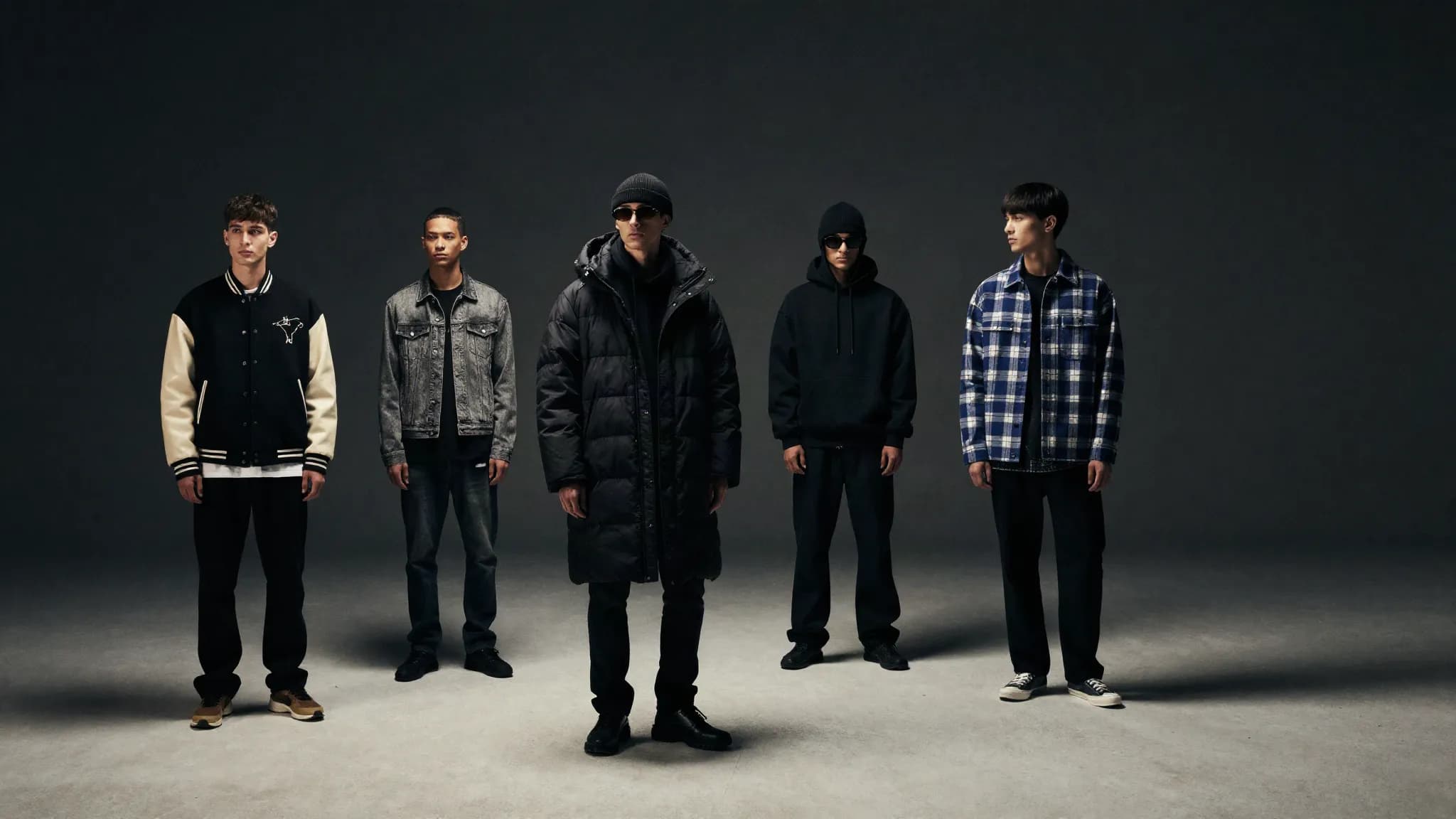
Considered menswear, made to be worn hard and kept long.
The idea
Fewer things, made properly
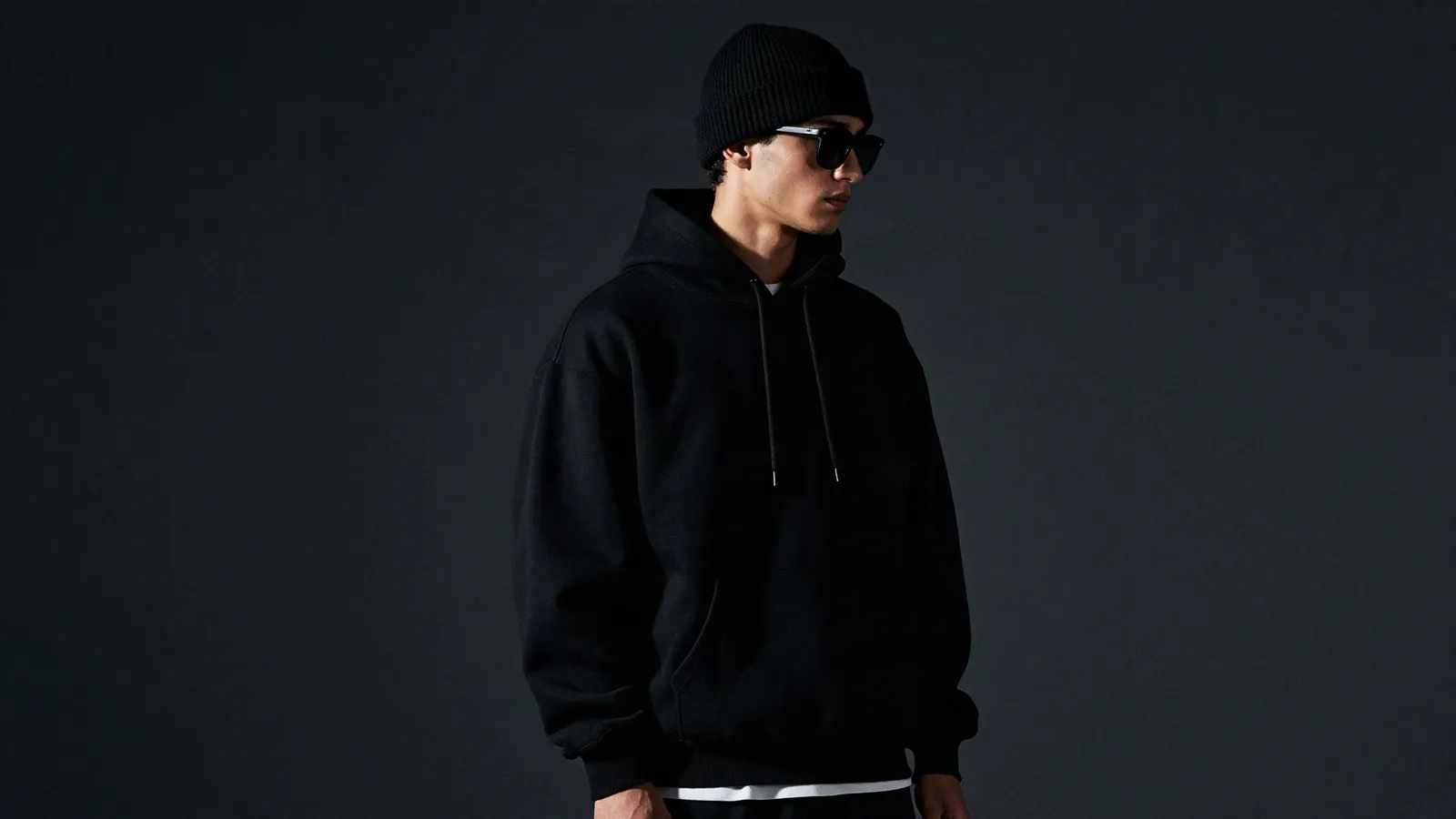
SEEWEAR started in a Cairo flat with one hoodie and a stubborn opinion: most menswear is either disposable or priced like a car. We wanted the third thing. Heavy cotton, honest seams, a cut that still looks right after two winters.
We keep the range small on purpose. Twelve or so pieces at a time, each one carried until it stops earning its place. That is also why you will see the same garment come back in a new colour rather than a new silhouette every season.
Everything ships from Cairo, in EGP, with the tax and delivery shown before you pay. No conversion surprises at the till.
How we make it
The short supply chain
Cotton is knitted and dyed in Mahalla, then cut and sewn in a workshop in Shubra we have used since the first run. Two suppliers, both within a morning's drive, both audited in person rather than by certificate.
Short chains are easier to answer for. When a seam fails we know which line it came off, and we can fix the next run instead of writing an apology.
- Founded
- 2019
- Pieces in the range
- 12
- Suppliers
- 2
- Ships from
- Cairo
Stores
Where to find us
One showroom, open by appointment, above the studio in Zamalek. You can try the full range on, and we will tell you honestly if the size you booked is the wrong one.
Book by emailing help@seewear.store with a day that suits you.
- Zamalek showroomBy appointment
- Sun–Thu, 11am–7pm
- Pop-upsAnnounced by email first
- Seasonal
- Phone
- +20 100 000 0000
Careers
Working here
We are eleven people. That means whatever you are hired to do, you will also do a bit of everything else — pack orders in December, sit in on a fit session, argue about a hem.
There is no open listing right now. We still read speculative applications, and we keep the good ones. Send what you have made and one paragraph on why this shop rather than another.
Sustainability
What we will and will not claim
We are not a sustainable brand. We make clothes, and making clothes costs something. What we can say is narrower and checkable.
Cotton is sourced within Egypt, so the fibre does not cross an ocean before it becomes a shirt. Orders ship in recycled cardboard with paper tape and no plastic filler. Offcuts from the cutting table go to a rag merchant in the same district rather than to landfill.
The most useful thing either of us can do is make the garment last. That is what the size guide is for — a piece that fits gets worn, and a piece that gets worn does not get replaced.
See the current range
Twelve pieces, in stock, shipped from Cairo.